

OCEANOGRAPHY · MARINE RESEARCH · FIELD STUDIES
From Water to Field Task Without the Penalty.
University dive teams, survey crews, sampling teams, and research-vessel operators need efficient movement across changing depths and field conditions. SALT AMS helps research teams move between swim, wade, walk, sample, survey, vessel, and shoreline without stopping to fight their fins.
U.S. Patented · Made & Manufactured in the USA
Universal Fit: U.S. sizes 6–15
Built for Shoreline · Vessel · Survey · Research Transition

The Water-to-Field Mobility Gap
FIELD RESEARCH PROBLEM
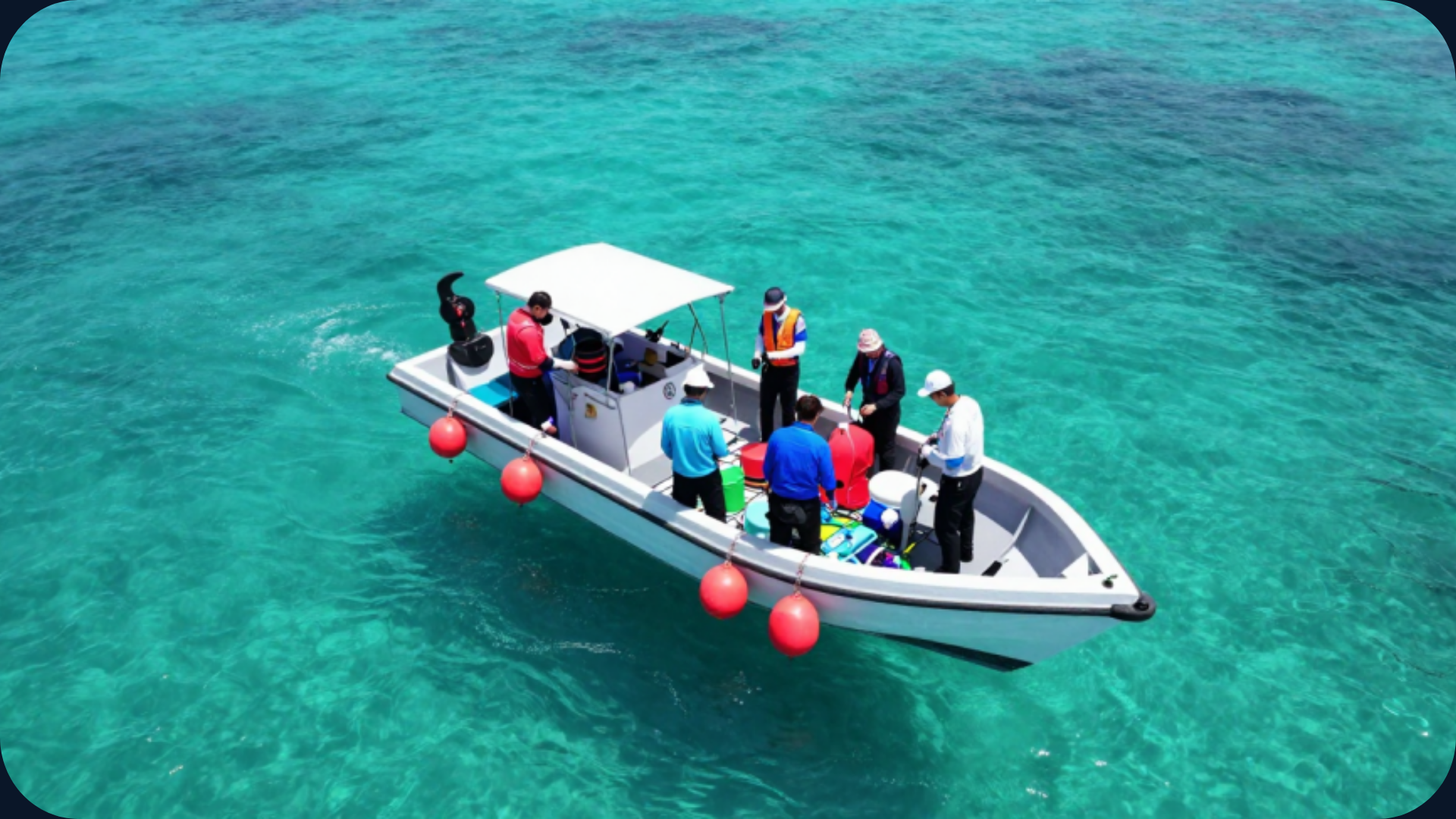
Traditional fins help in the water, but they become a problem when marine researchers, university dive teams, and field crews must move across shoreline, reef, vessel decks, docks, beaches, sampling sites, or uneven terrain.
Research teams lose time and efficiency when they must remove, carry, stow, recover, or reattach fins
Slower movement between water and sampling areas
Reduced mobility across shoreline, reef, deck, dock, and beach terrain
Extra gear-handling during survey or sampling work
Footwear compromise in mixed water-and-field environments
More friction when moving equipment, samples, or instruments
SALT AMS was built to close the gap between swim propulsion and field research mobility.
FIELD RESEARCH SOLUTION
Propulsion in the Water. Mobility Across the Field Site.
SALT AMS allows marine researchers, university dive teams, survey crews, and field operators to deploy the blade for swim propulsion, retract it for movement, and continue across shoreline, reef, beach, dock, vessel, or research terrain without stopping to remove or carry fins.
DEPLOY
Extend the blade when swim propulsion is needed.
SWIM
Move through the water with fin-driven propulsion during survey, sampling, or research operations.
RETRACT & MOVE
Retract the blade and continue across shoreline, reef, beach, dock, vessel deck, or field site terrain.

OCEANOGRAPHY / RESEARCH PROOF
Built for the Moment Research Leaves the Water
SALT AMS—the Sea Air Land Transition Amphibious Mobility System—is a U.S. patented amphibious mobility system built for marine researchers, university dive teams, survey crews, and field operators who move between water, shoreline, reef, beach, dock, vessel, sampling site, and research terrain.
U.S. Patented retractable fin platform
Universal Fit: U.S. sizes 6–15
Supports dive booties, field footwear, high-top footwear, and mixed-use footwear
Built for Shoreline · Vessel · Survey · Research Transition
Designed to reduce gear-handling during field movement
Made & Manufactured in the USA
RESEARCH / FIELD OPERATIONS PROOF
See the Field Transition Advantage
Watch SALT AMS extend for propulsion and retract for movement — reducing the need to remove, carry, or stow fins when research moves from water to shoreline, reef, beach, dock, vessel, or field site.
RESEARCH APPLICATIONS
Built for Shoreline · Vessel · Survey · Research Transition
SALT AMS supports marine researchers, university dive teams, survey crews, and field operators who move between water, shoreline, reef, beach, dock, vessel, sampling site, and research terrain without stopping to remove or carry fins.
Shoreline Survey
Move between swim, wade, shoreline, sampling locations, and survey transects while keeping propulsion available when depth changes.
Sampling & Field Studies
Move from swim or wade access to sampling locations, instruments, and field tasks.
University Dive Teams
Support academic dive teams working across mixed water, shore, vessel, dock, and field environments.
Reef, Beach & Coastal Access
Transition across reef edges, beaches, shallow water, coastal terrain, and research access points.
Vessel, Dock & Research Platform Movement
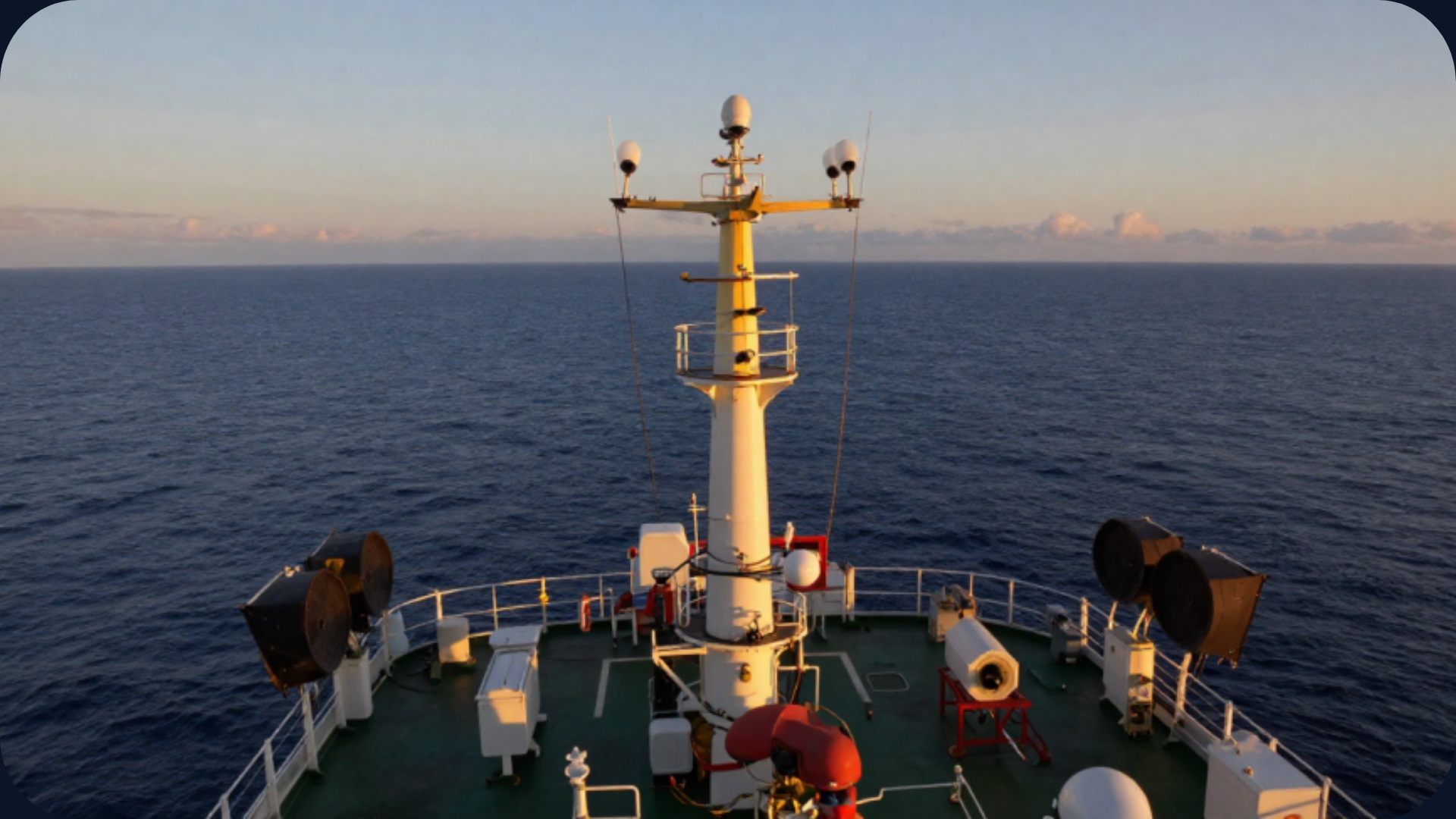
Move across vessels, docks, decks, ramps, and research platforms with reduced gear-handling.
Field Footwear. Amphibious Mobility.
SALT AMS is designed for Universal Fit across U.S. sizes 6–15, allowing marine researchers, university dive teams, survey crews, and field operators to choose footwear based on water conditions, shoreline access, vessel movement, sampling requirements, and field terrain.
NEXT STEP
Request a SALT AMS Research Evaluation
Evaluate SALT AMS for oceanography, marine research, university dive teams, shoreline survey, field sampling, vessel access, dock movement, and mixed water-field research environments. Phibian Gear can support fit review, footwear compatibility, use-case discussion, and evaluation-path planning.